Smart robot
A new smart era for Electrolux floor care
About
ERB Robot family expansion
Category expansion on LATAM
Industrial Design / CMF / IXD
2024 – 2025
Roles
Project design lead
Industrial design
CMF design
Graphic design
Team
Electrolux
Overview
In 2024, I was assigned to lead the expansion of Electrolux's robotic vacuum cleaner portfolio for the Latin American market. The project kicked off after the definition of strategy, team alignment, and supplier selection. This initiative started as an OTS+ project, where we reimagined key elements such as the top cover, charging base, CMF, PGD, and mobile app to better align with user expectations and brand standards.
What I did
- Lead the project design team, managing design internal process and team deliveries
- Worked closely internal and external (supplier) on CMF iterations and tests
- Redesigned and refined the top cover and buttons design language and FFF
- Explored several design directions through 3D models
- Worked close with the suppliers engineering, presenting the design intention and facilitating on meeting and presentations


I had always wanted to be part of a project that brought me closer to the tech innovation side of Electrolux, so receiving this challenge felt like a real gift. I took on a leadership role, managing key processes, aligning cross-functional teams, and coordinating weekly meetings with the supplier to ensure progress and clarity across all fronts. This experience allowed me to connect deeply with the development side of the product, while also strengthening my skills in project coordination, communication, and decision-making within a fast-paced, innovation-driven environment.
As Lead Designer, I was responsible for the entire industrial design scope of the project — from early research and benchmarking to design detailing, CMF definition, graphic application, interface components, and production support.
I led the creative direction and product decisions, while collaborating with other designers across disciplines such as Interaction Design, UI, Product Interface, Packaging, and Visual Communication. My role required not only technical design execution, but also strategic alignment with Electrolux team and the LATAM market needs.

A new smart era for the Brazilian market
What initially seemed like a straightforward adaptation quickly evolved into a complex, multi-layered design problem. Some of the key challenges we faced included:
- Introducing a global Electrolux texture never used in LATAM before, and adapting it to regional expectations and cost constraints.
- Refining product detailing, such as label positioning, glossy and texture elements, and button usability, while preserving visual consistency with the existing Electrolux global robot lineup.
- Redesigning physical interaction and feedback to bring a step forward in UX, without breaking familiarity for returning users.
- Integrating a new smart platform (TUYA) and adapting our interface and connected experience to its limitations and frameworks.
- Navigating cost reduction opportunities, including simplification of mechanical parts, interface PCB standardization, and elimination of unnecessary complexity.

Back to 2001
In 2001, Electrolux introduced the Trilobite ZA1, one of the world's first commercially available robotic vacuum cleaners. With its futuristic form, autonomous navigation, and built-in sensors, the Trilobite was a bold leap into automated home care long before smart homes became mainstream. Its distinctive design, premium red finish, and docking station made it instantly recognizable and positioned Electrolux as a true pioneer in robotic cleaning. Although it was a niche and high-cost product at the time, the Trilobite laid the foundation for decades of innovation in this category. This legacy served as both inspiration and responsibility for the development of our new generation of robotic vacuums, especially in terms of pushing boundaries while remaining grounded in real user needs.
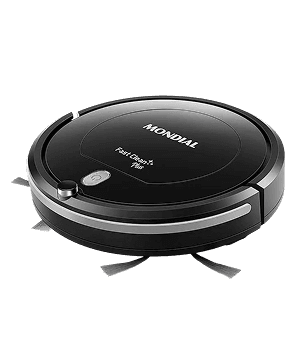
Mondial
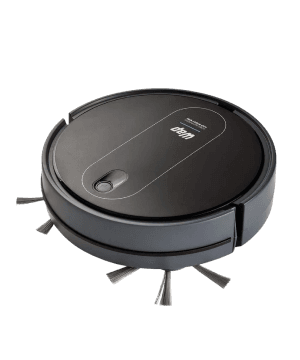
Wap
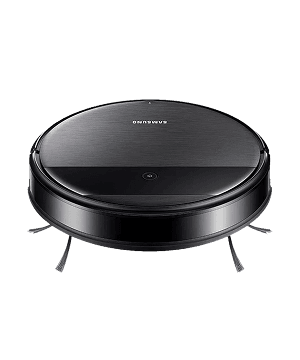
Samsung
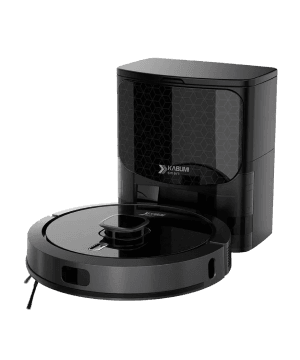
Kabum
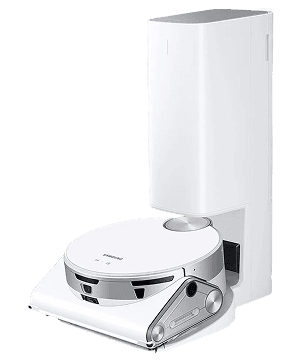
Samsung
Robot vacuums are still relatively new to the Brazilian market, but they have quickly become popular, especially in smaller homes and apartments where convenience and automation are highly valued. Today, brands like Samsung, Xiaomi, Mondial, and even Kabum, an online retailer with no prior experience in the category have managed to gain traction. Kabum, in particular, stood out by offering affordable models that appealed to tech-savvy users looking to explore robotic cleaning without a high upfront cost. This revealed a clear consumer preference: accessibility and perceived value often outweigh brand legacy. Through user and market research, we identified several recurring patterns and key design opportunities. Most competing products were available only in black or white, often with high-gloss, piano-black finishes. These choices negatively impacted durability and made dust, fingerprints, and scratches highly visible over time.
Another critical issue was the limited availability of accessories and consumables, such as replacement filters and brushes. This was frequently mentioned by consumers and proved to be an important factor in long-term product satisfaction.
These insights directly influenced the strategy, positioning, and design direction of the product.

Electrolux ERB44

Electrolux ERB60

Electrolux ERB61

Electrolux ERB62
Adapting the Electrolux design language to this new ecosystem was a valuable challenge. Over several months, our team collaborated closely across design, development, and engineering, diving into deep exploration, coding, and interface design to ensure a seamless and branded user experience within the new app environment. This effort not only elevated the product's intelligence and navigation capabilities, but also expanded the connected experience for users in the region making the product smarter, more precise, and easier to control from anywhere.
This project marked a significant milestone for the LATAM portfolio — our first LIDAR-equipped robotic vacuum, fully connected through the TUYA smart platform.

This project was only possible through close alignment and collaboration, both within the design team and with cross-functional partners.
On the design side, I worked with a team of specialized designers:
A CMF designer supporting the material and color development,
An Interaction Designer focused on user flows and behaviors,
A Product IXD designer responsible for physical feedback,
A Visual Communication designer working on packaging and manuals,
And a Graphic Designer supporting layout and labeling.
Outside the design team, we were fully supported by internal and external engineering, marketing, suppliers, and our partner developing the TUYA platform integration. Always focused on a shared goal: creating a product that was smarter, more beautiful, and more aligned with users' daily lives — without losing sight of feasibility, cost, and brand consistency.

Easy to understand Easy to use
To enhance the overall user experience, we introduced voice feedback to the product. Now, the robot can communicate its status through clear, contextual voice prompts, making daily interactions more intuitive and enjoyable. This feature helps reduce ambiguity during use, providing reassurance, clarity, and a more humanized connection between user and product.
Care with details like no other


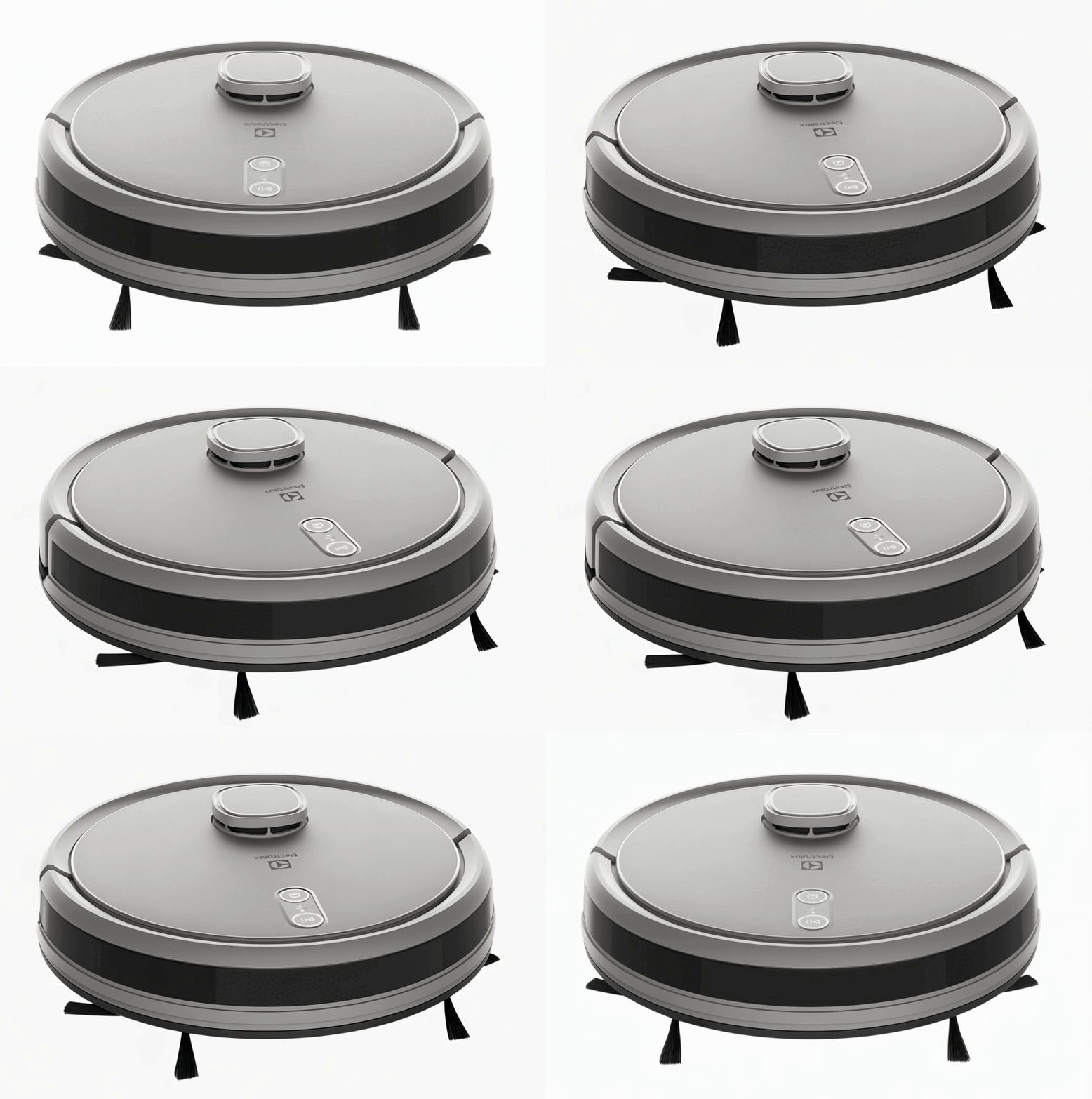
Working on CMF for this product posed unique challenges. One of the main goals was to elevate both user experience and perceived quality. Previous models including competitors, often featured glossy top covers, which, while visually striking, were highly susceptible to fingerprints, smudges, scratches, and general wear. To address this, we introduced a textured surface that not only improved durability and usability but also enhanced the premium feel of the product.
CMF first study

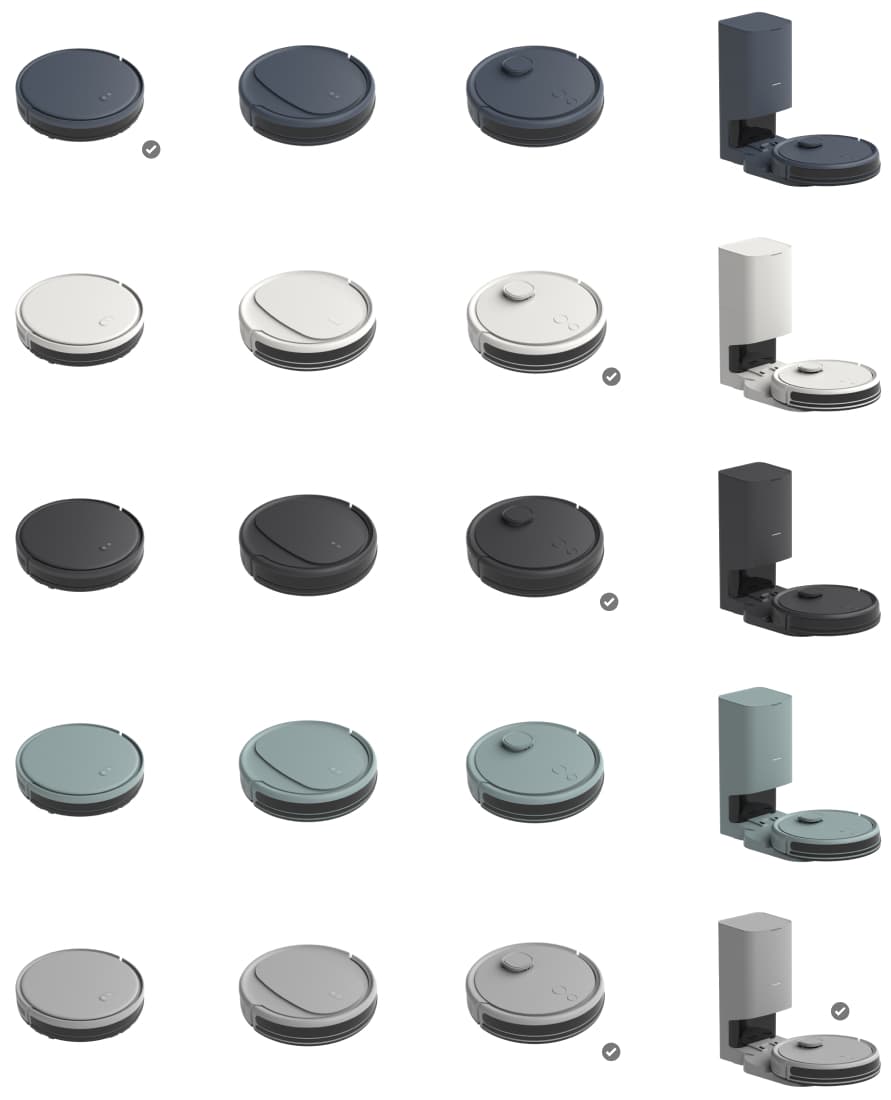
Elegantly crafted with carefully selected materials, this product was designed to harmonize with modern living spaces and blend seamlessly into the home environment. The textile-inspired texture, reminiscent of curtains and upholstered furniture, not only enhances visual integration but also brings practical benefits, it helps hide dust, resists scratches, and maintains a cleaner appearance over time. This balance between aesthetics and functionality ensures the product feels like a natural part of your home, rather than a piece of technology that stands out.


We redesigned the entire interface to deliver a fluid, user-friendly experience that feels natural from the first touch. To enhance communication and usability, we introduced a visual feedback system using light icons illuminate clearly, and a surrounding LED ring guides the user through every interaction. Even when the finger blocks the icon, the ring remains visible, ensuring the user always receives immediate and intuitive feedback, reinforcing confidence and control throughout the experience.

